Ice Retention / Guide
Dry ice in a cooler: the safety rules, the coolers rated for it, and how to use it with regular ice
Dry ice is -109°F and turns into carbon dioxide gas as it goes. It keeps food frozen for days and it will crack a soft cooler's liner, pop an airtight lid, and displace the air in a closed car. Here is how the makers say to use it.
By Mike M.Updated Sourced · units tested by us: 0
#adReader-supported: we may earn a commission if you buy through our links, at no extra cost to you. It never decides a ranking. How we rank · Disclosure

Safety first
Which coolers are rated for it
The makers are specific, and the specificity matters because dry ice can crack a liner or warp a shell not built for it. OutdoorGearLab's spec table lists the YETI Tundra Haul as “dry ice compatible.” Engel's product pages for the 65 and 50 say “Dry ice compatible” under features. AO Coolers' FAQ says the opposite for its soft coolers: “No. Dry ice can damage the liner — direct contact may cause it to crack.” No soft cooler on this site is rated for dry ice, and the Igloo, Coleman and Lifetime pages we read do not mention it, which this site treats as “not rated” rather than “fine.” RTIC's product pages do not state it either; RTIC's hard coolers are rotomolded like the rated ones, but the maker has not said so on the pages we read, so the card does not claim it.
How to use it
- Buy it last. Dry ice sublimates from the moment you buy it; five to ten pounds a day in a good cooler is a common planning figure, and it disappears faster in a poor one.
- Wrap it. Newspaper or a paper bag. Bare dry ice against a cooler wall or a food package freezes and cracks both.
- Put it on top. Cold sinks. Dry ice on top of frozen food keeps the food frozen; dry ice on the bottom under drinks freezes the drinks solid.
- Fill the rest with regular ice. Dry ice with regular ice is the standard combination: the dry ice keeps the regular ice from melting, and the regular ice fills the air space that would otherwise sublimate the dry ice faster. Frozen jugs work too.
- Vent. Drain plug loosened, or lid unlatched on one side. Never a fully sealed rotomolded lid.
- Keep it out of the cabin. Truck bed, roof box, or windows down.
How long it lasts
No test we cite timed dry ice in a specific cooler, so this page does not give you a number per model. The variables are the same as for regular ice, amplified: wall thickness (the rated coolers here have two to three inches of foam), how full the cooler is (air sublimates dry ice), how often the lid opens, and ambient temperature. The practical answer is that a well-packed rotomolded cooler with dry ice on top of frozen food and regular ice around it keeps that food frozen for the length of a multi-day drive, which no amount of regular ice will do. For the regular-ice numbers by model, the ice retention chart; for the steps that stretch either kind, how to keep ice longer.
Two rated coolers
Our picks for this
Two hard coolers whose makers or testers state dry-ice compatibility
Both rotomolded, both with tie-downs and gaskets, both with terms of 5 years or more.
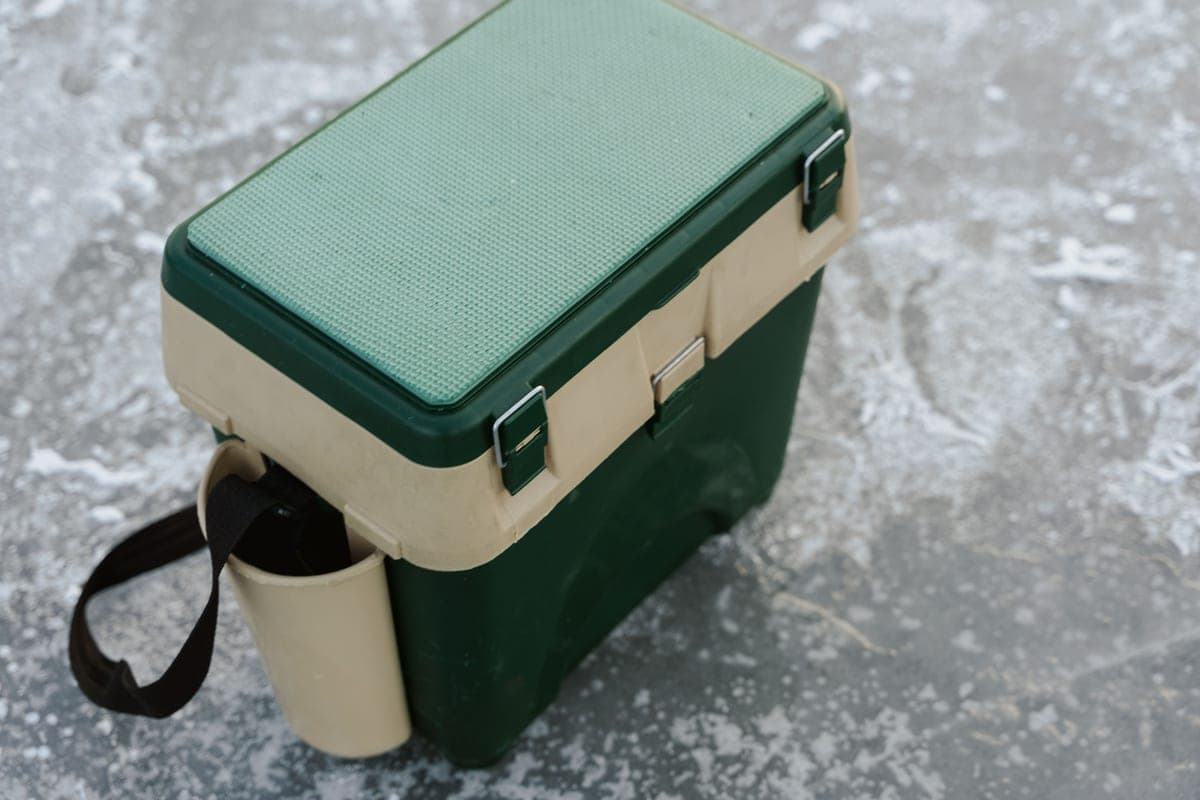 Stock photo
Best wide wheeled cooler
YETI Tundra Haul
5-yr warranty7.4/10Listed 'dry ice compatible' in OutdoorGearLab's spec table; 5.4 measured days on regular ice; 5-year term.
Check price · Amazon#ad · Price set by Amazon · Disclosure for the link to YETI Tundra Haul
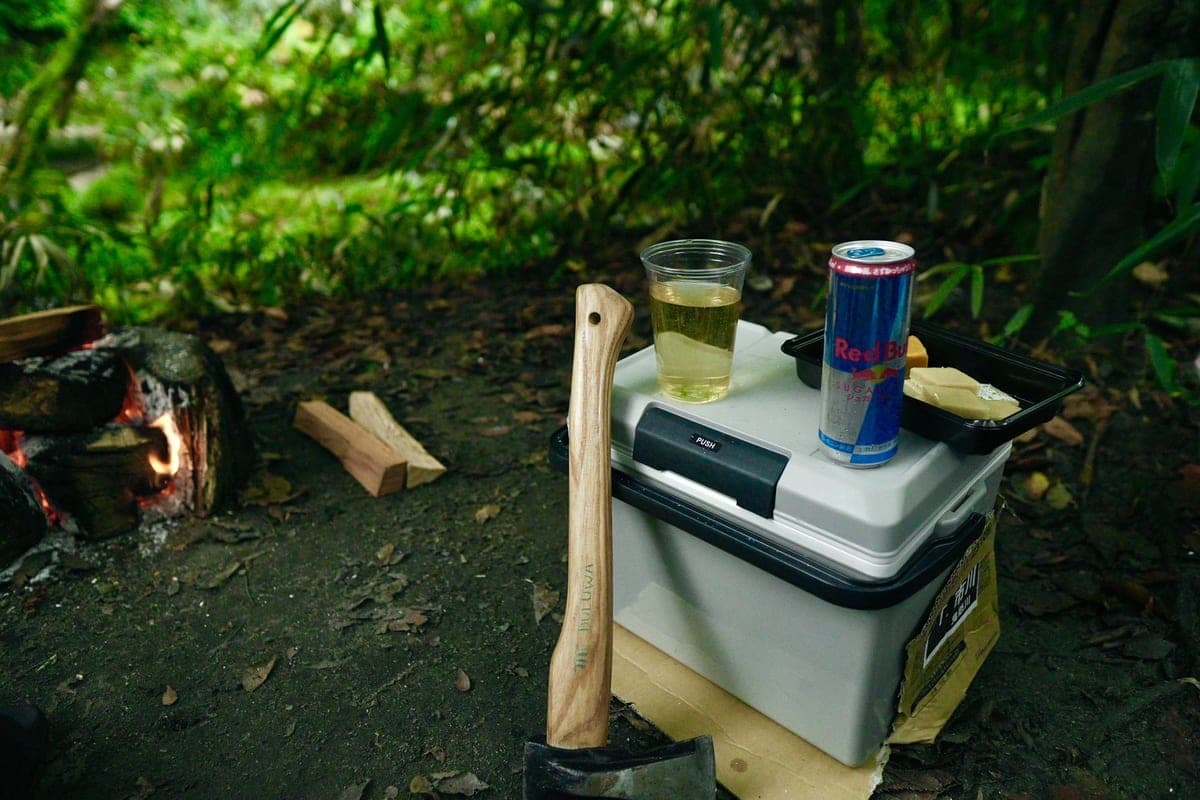 Stock photo
Best 10-year-warranty cooler
Engel 65 High Performance Hard Cooler
10-yr warranty7.8/10'Dry ice compatible' on Engel's product page; 2 in foam; 10-year term; stainless latch kit sold.
Check price · Amazon#ad · Price set by Amazon · Disclosure for the link to Engel 65 High Performance Hard Cooler
How we scored this
Units we claim to have tested: 0
Plenty of sites say they filled every cooler on this list with ice and watched it for a week. We don't say that, and we say so on every page. What we do instead: read the maker's published capacity, insulation, dimensions and weight; quote the warranty term from the maker's own warranty page with the date we read it; check whether the latches, gaskets, plugs, lids and straws are sold as parts; and cite the third-party ice-retention tests (OutdoorGearLab, Outdoor Life, Treeline, Outside, Gear Patrol) as their measurements, never ours. Every figure links to where it came from.
Scores are editorial judgments from that documented research, not lab results. Commissions never set a score or decide a pick. The rubric and its weights are published.
Questions
Frequently asked
Can you put dry ice in a Yeti cooler?
OutdoorGearLab lists the Tundra Haul as dry-ice compatible. Vent the cooler (loosen the drain plug), wrap the dry ice, and keep it out of the cabin.
Can you put dry ice in a soft cooler?
No. AO Coolers says dry ice can crack the liner, and no soft cooler on this site is rated for it.
How long does dry ice last in a cooler?
No cited test timed it by model. Plan on several pounds per day sublimating in a full, shut, rotomolded cooler, faster in a half-empty or thin one. Pack regular ice around it.
Can you use dry ice with regular ice?
Yes; it is the standard approach. Dry ice on top keeps the regular ice frozen, and the regular ice fills the air space that would sublimate the dry ice faster.
Is dry ice in a cooler dangerous?
It can be: CO2 pressure in an airtight cooler and CO2 displacing air in a closed car. Vent the cooler, carry it outside the cabin, wear gloves.
Keep reading
Related on Chill & Chest
Receipts
Sources
- OutdoorGearLab — YETI Tundra Haul review, updated July 17, 2026 (read 2026-09-21)
- Engel — Engel 65 High Performance Hard Cooler (ENG65) product page (read 2026-09-21)
- Engel — Engel 50 High Performance Hard Cooler (ENG50) product page (read 2026-09-21)
- AO Coolers — Canvas Series 24 Pack product page (read 2026-09-21)
- OutdoorGearLab — "The Best Coolers of 2026", updated July 17, 2026, comparison table (read 2026-09-21)
- YETI — Warranty Information (YETI's warranty page as republished by Acme Tools, an authorized YETI dealer; read 2026-09-21)
- Engel — Warranty page (read 2026-09-21)
We don't claim to have tested these coolers or tumblers and we don't pretend to. Units we claim to have tested: 0. Specs come from the maker's own product pages (linked on every product), warranty terms from the maker's warranty page with the date we read it, and ice-retention measurements are attributed to whoever made them. Amazon prices change often, so we don't print them. Where a figure isn't published, we say so. Read the full method.